Best DNA Paternity Test Options for Prenatal DNA Analysis
The Growth of At-Home Paternity Testing: Reliability, Discretion, and Accessibility
The growing popularity of home paternity tests represents a considerable transformation in how individuals navigate the verification of parentage. With precision levels frequently surpassing 99%, such tests provide a convenient method for DNA sample collection. However, persistent concerns about privacy about genetic data continue to exist. As an increasing number of individuals consider this form of testing, they must weigh the implications of privacy, accuracy, and emotional impact. What factors should they prioritize in making this important decision?
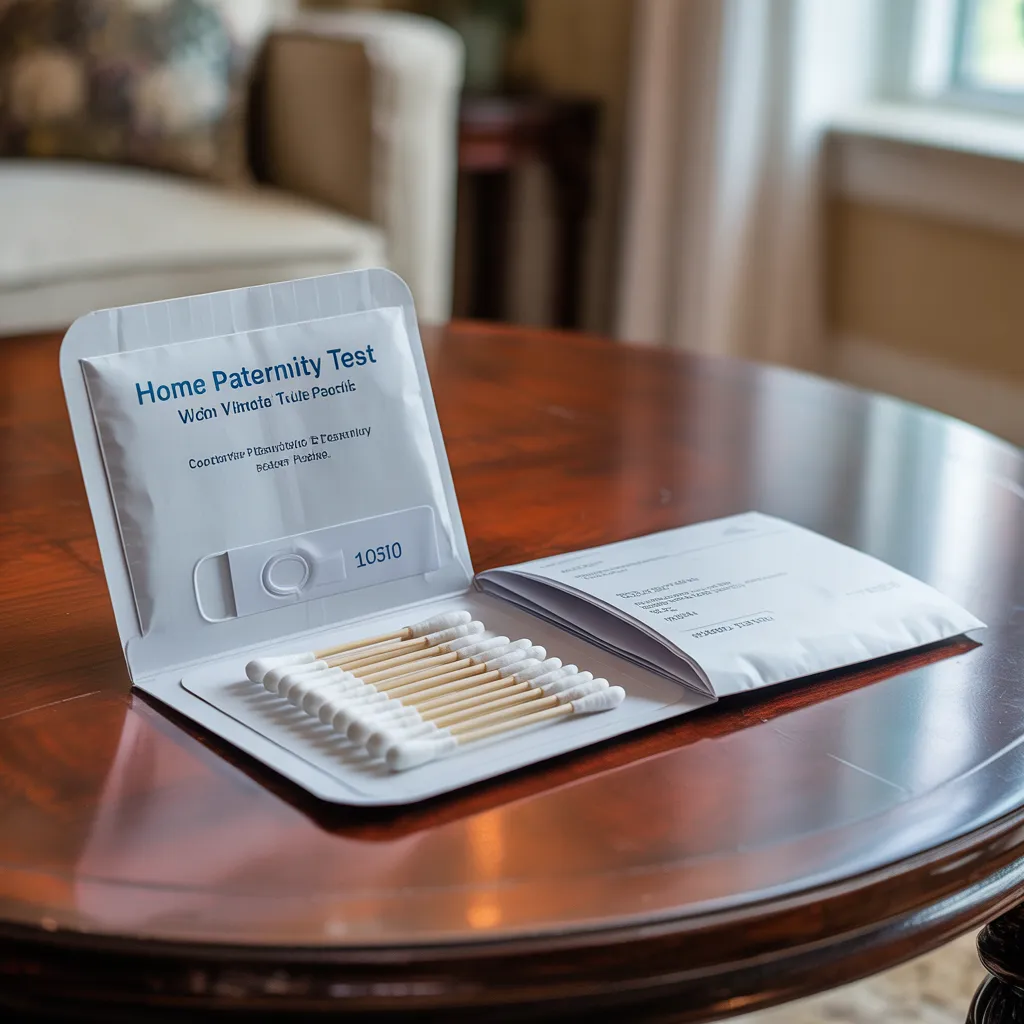
How Do Home Paternity Testing Kits Work?
Residential paternity tests commonly work through a straightforward process centered around collecting genetic material. People are provided with a test kit that includes swabs for collecting cheek cells, typically from the potential father and child. Participants are advised to softly brush the swabs along the inside of their cheeks in order to collect an adequate amount of genetic material. After collecting the samples, the swabs are secured in provided containers and then forwarded to a testing facility for evaluation.
Within the lab, the DNA is collected and examined to identify specific genetic markers. This evaluation matches the DNA profiles of the child and the alleged father to determine paternity. Results are usually available within a few days, and the process is designed to be user-friendly, ensuring minimal discomfort. The convenience of home testing appeals to many, permitting individuals to obtain clarity in the comfort of their personal space. This procedure highlights the assessment's rising demand as a dependable choice for paternity verification.
What Is the Accuracy of Home Paternity Tests?
What level of accuracy do home paternity tests provide in establishing biological relationships? Typically, these tests are designed to provide a high degree of accuracy, frequently surpassing 99% when performed properly. They analyze DNA samples from the alleged father, child, and sometimes the mother, comparing genetic markers to establish a relationship. That said, the precision of these tests can be compromised by issues like sample contamination or inadequate handling practices.
Many home tests employ sophisticated methods akin to those in clinical laboratories, yet they may lack the rigorous supervision characteristic of professional testing. Furthermore, results can differ between various brands and products, highlighting the necessity of identifying a trusted supplier. While home paternity tests can offer a clear suggestion of familial relationships, individuals should proceed carefully, considering that significant emotional and explore now legal ramifications may result from the findings. In the end, for absolute certainty, working with a professional testing facility is recommended.
What Are the Main Privacy Issues to Consider?
While home paternity tests offer a practical method for confirming familial biological ties, they also raise notable concerns regarding privacy. The acquisition and processing of genetic data, typically collected as saliva or cheek swabs, has the potential to cause unauthorized access or misuse. Numerous providers fail to ensure the confidentiality of submitted samples, exposing individuals to the risk of data breaches.
Moreover, the findings may be shared with third parties without clear consent, heightening worries of stigmatization or discrimination. Users may also be not fully aware of how their genetic data will be stored or potentially used for research aims.
Moreover, the psychological ramifications associated with unforeseen outcomes can create additional challenges within the domain of data privacy. Overall, while these tests provide ease and accessibility, the deficiency of rigorous regulations and accountability in the handling of personal data generates important inquiries about individuals' rights to privacy and control over their own genetic information.
How Do Test Outcomes Impact Emotional Well-Being?
The psychological impact from paternity test results can be deep and wide-ranging. Those involved may experience a spectrum of feelings, ranging from joy and comfort to anger and betrayal. For certain individuals, a positive match can validate longstanding assumptions, fostering a feeling of belonging and stability. On the other hand, a negative result may lead to emotions of uncertainty, bewilderment, and grief, particularly if a familial bond is challenged.
These emotions may reach beyond the person affected to influence family relationships. Parents may grapple with feelings of guilt or anxiety over the implications for their children, while siblings could encounter alterations in their understanding of family structure. Furthermore, societal stigma may intensify these emotions, as individuals cope with societal norms around parentage. In the end, the emotional toll of paternity test results can vary significantly, underscoring the intricate relationship between personal identity, trust, and mental health.
Essential Factors for Selecting a Home Paternity Test
Navigating the emotional journey after paternity test results often leads individuals to consider their options thoughtfully, particularly when deciding on a home paternity test. Multiple essential factors require careful thought to ensure a trustworthy and positive outcome.
First, precision is essential; consumers are advised to select tests offering superior sensitivity and specificity scores. Next, simplicity of use is fundamental; a clear and direct collection method can minimize stress. Data protection is also a critical factor; reputable companies should guarantee secure handling of personal data and results.
Cost is also a factor; prospective users should balance the cost against the assessment's reliability and customer support. Lastly, customer reviews and testimonials provide insights into the experiences of others, offering guidance in maneuvering through options. Through careful assessment of these elements, individuals can make informed choices that align with their needs and expectations.
Popular Questions We Receive
Can Home Paternity Tests Be Used as Legal Evidence in Court?
Home paternity tests are commonly unable to be used as legal evidence in court due to concerns about accuracy and the lack of standardized procedures. Courts generally mandate tests conducted by accredited laboratories to be considered credible legal proof in paternity proceedings.
How Long Does It Take to Get Home Paternity Test Results?
Home paternity test results typically take anywhere from three to five days for processing. Certain providers offer accelerated processing services, shortening the processing time to as little as 24 hours, subject to the specific method of testing chosen.
Is Retesting an Option if I'm Uncertain About My Results?
Yes, people can repeat the test if uncertain about their results. It is recommended to allow some time to pass before testing again to guarantee reliable results. Seeking professional advice can also help determine the best steps to take.
What Samples Are Needed for Home Paternity Tests?
At-home paternity tests typically require buccal swabs from both the child and the presumed father, however certain kits can also accommodate samples taken from blood. Correct collection and careful handling of these samples is critical to achieving accurate results.
Do Age Restrictions Apply When Testing Children?
Generally speaking, there are no strict age restrictions for conducting home paternity tests on children. Nevertheless, securing consent from a legal guardian is generally necessary, making certain that the child's rights and privacy are upheld during the entire process.