Best Sibling DNA Test Options for At-Home Testing
Home Paternity Tests: What Happens After You Get Your Results?
Receiving outcomes from a home-based paternity test can stir up a variety of feelings. People may sense anxiety, relief, or even confusion as they process the significance of these findings. Favorable outcomes can influence custody and support responsibilities, while unfavorable results might strain established family relationships. Knowing how to handle these complex feelings and the likely legal implications is crucial. What actions should be considered next to guarantee clarity and support?
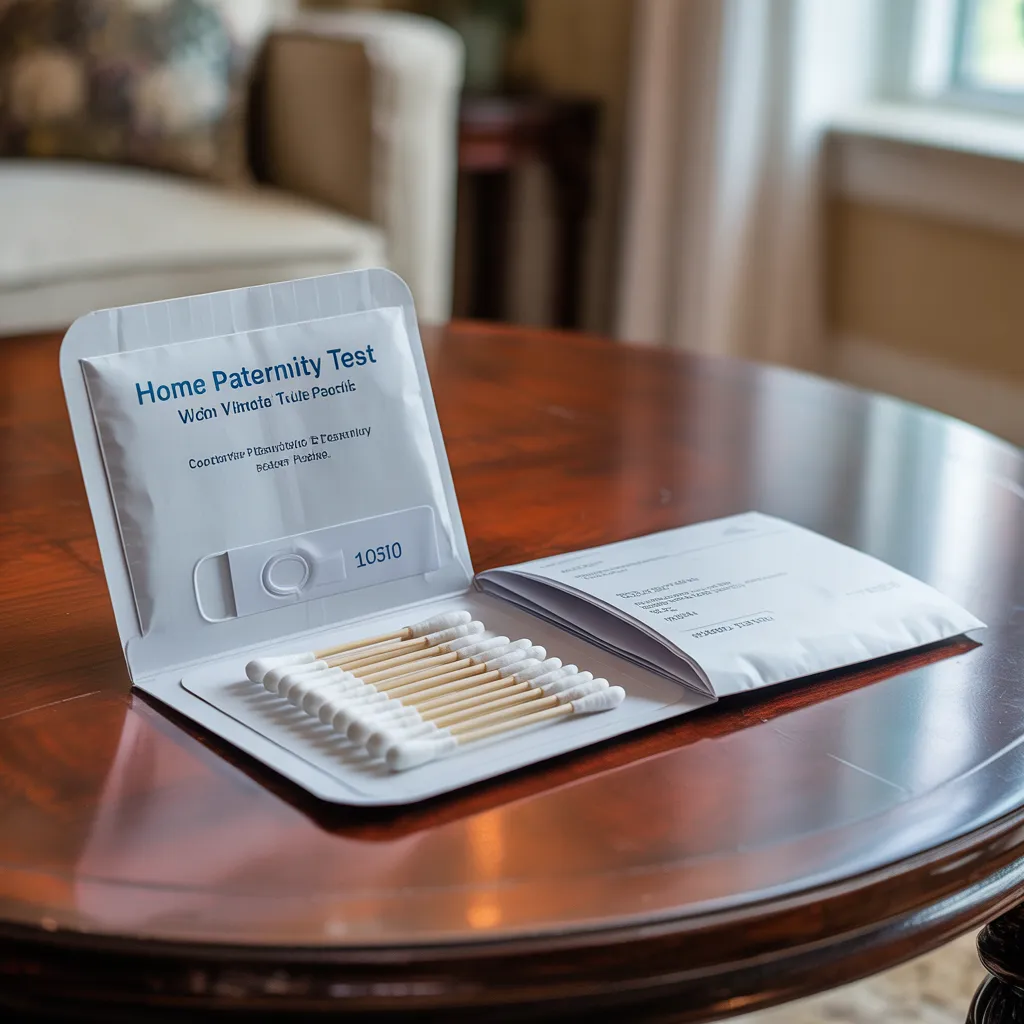
Interpreting Your Paternity Test Results
How can someone understand paternity test results? Interpreting these results requires familiarity with the essential terminology and their significance. Generally, the test results display a likelihood of paternity, commonly presented as a percentage. A result of 99.9% or higher indicates a strong likelihood that the tested individual is the biological father. On the other hand, a lower percentage implies non-paternity.
It is crucial to assess the testing approach utilized, as various home kits may not be equally accurate. Furthermore, results can occasionally be unclear, requiring additional testing or professional guidance. Comprehending the background of the test—like family circumstances and the purpose of testing—can also provide clarity. In the end, understanding paternity test results demands familiarity with genetics and the particular testing procedure, ensuring that individuals can draw informed conclusions from the data presented.
Understanding Your Emotional Response
Navigating the psychological journey following a paternity assessment can be complex and challenging. Those involved may undergo a cascade of emotions, including fear, relief, frustration, or uncertainty. The anticipation building toward the results can heighten these details reactions, as doubt frequently generates anxiety. When the findings arrive, they may affirm previously held assumptions or dismantle deeply ingrained understandings, leading to a profound internal struggle.
Numerous individuals find themselves struggling with a sense of identity or familial connection, examining their connections and personal past. It is vital for people to recognize these feelings and permit themselves the necessary time to absorb the information. Engaging in self-reflection or speaking with a trusted friend or professional may help in maneuvering this tumultuous time. Ultimately, recognizing the validity of one's feelings is an essential step toward emotional healing and clarity in the aftermath of receiving paternity test results.
How to Talk About Your Results With Family
Receiving the results of a paternity test can significantly influence familial dynamics, generating the need for thoughtful communication. When addressing the outcome, it is important for individuals to handle conversations with empathy and openness. Choosing an suitable time and private setting facilitates a more transparent discussion.
Opening the dialogue with an awareness of the possible emotional burden can help ease stress. It is important to express feelings openly and encourage family members to share their thoughts and concerns without bias.
Active listening plays a vital role in such conversations, as it fosters understanding and support among family members. It may also be helpful to prepare for a variety of responses, from relief to anger, and be ready to handle these feelings with composure. Ultimately, maintaining a focus on love and connection can assist in managing the challenges that stem from the outcomes, making certain that family relationships endure.
Legal Matters Concerning Paternity Test Results
What are the legal consequences of paternity test results? When a paternity test confirms that a man is the child's biological father, this may have an impact on child support, custody arrangements, and inheritance rights. Legal establishment of paternity provides the father with visitation rights and the ability to make decisions concerning the child's wellbeing. In contrast, a negative test result can exempt a man from responsibilities such as the obligation to pay child support.
In various legal jurisdictions, at-home paternity tests may not carry the same authority as court-ordered tests, which can complicate legal proceedings. Should disputes emerge, those involved may need to obtain a court-admissible test to determine paternity. Moreover, the consequences of such results may encompass emotional distress claims, especially if the results differ from expectations. Comprehending these legal consequences is vital for those navigating the challenges associated with paternity testing and its impact across domestic and legal circumstances.
Resources for Emotional and Legal Support
Navigating the challenges of paternity test results often necessitates support, both legal and emotional. Individuals dealing with unclear results may gain from therapeutic services that specialize in family dynamics and reproductive issues. These specialists can help navigate emotions such as anxiety, confusion, or conflict that may develop as a result of test results.
From a legal standpoint, seeking advice from a family law attorney is recommended. Such professionals can offer insight into the consequences of test results, particularly in matters of custody, child support, and inheritance rights. In addition, community support groups or online forums may provide valuable insights and shared experiences, promoting a sense of belonging and mutual understanding.
Resources such as support hotlines and legal assistance services can also provide immediate assistance, ensuring that individuals feel empowered to make informed decisions. Accessing these resources can facilitate a smoother change during what can be an emotionally charged process.
Questions We Hear Often
How Reliable Are Home Paternity Tests When Compared to Laboratory Tests?
At-home paternity tests typically offer accuracy rates exceeding 99%, comparable to laboratory tests. Nevertheless, factors such as sample handling and test quality could impact the accuracy of results, making laboratory testing by professionals the preferred choice for conclusive results.
Is It Safe to Trust Online Companies for Paternity Testing?
Having confidence in online companies for DNA paternity tests is determined by their accreditation, reviews, and transparency. Trustworthy providers frequently offer detailed information about their methods and findings, boosting trust and dependability for potential customers considering testing services.
Which Samples Are Suitable for Home Paternity Testing?
Paternity testing conducted at home commonly utilizes samples such as saliva, cheek swabs, or blood samples. These biological materials provide DNA necessary for accurate comparisons between the alleged father and child, producing trustworthy results when analyzed appropriately.
How Long Does It Take to Receive Test Results?
Home paternity test results generally take anywhere from three to seven business days to be delivered. Elements like the laboratory's processing speed and delivery times can impact the total time before results become available.
Do Age Restrictions Apply When Testing Children?
In most cases, there are no firm age requirements for testing children using home paternity tests. Nevertheless, consent from a parent or guardian is typically necessary for minors, guaranteeing that ethical standards are upheld throughout the testing procedure.