Complete Guide to Home Paternity Test
The Rise of Home Paternity Tests: Precision, Confidentiality, and Ease
The increasing prevalence of at-home paternity tests highlights a considerable change in how families handle parentage verification. With precision levels frequently surpassing 99%, these tests offer a convenient approach for gathering genetic samples. However, persistent privacy concerns about DNA data are still widespread. As more people consider this form of testing, they need to weigh the implications of privacy, accuracy, and emotional impact. Which considerations should guide them in making this important decision?
How Do At-Home Paternity Tests Work?
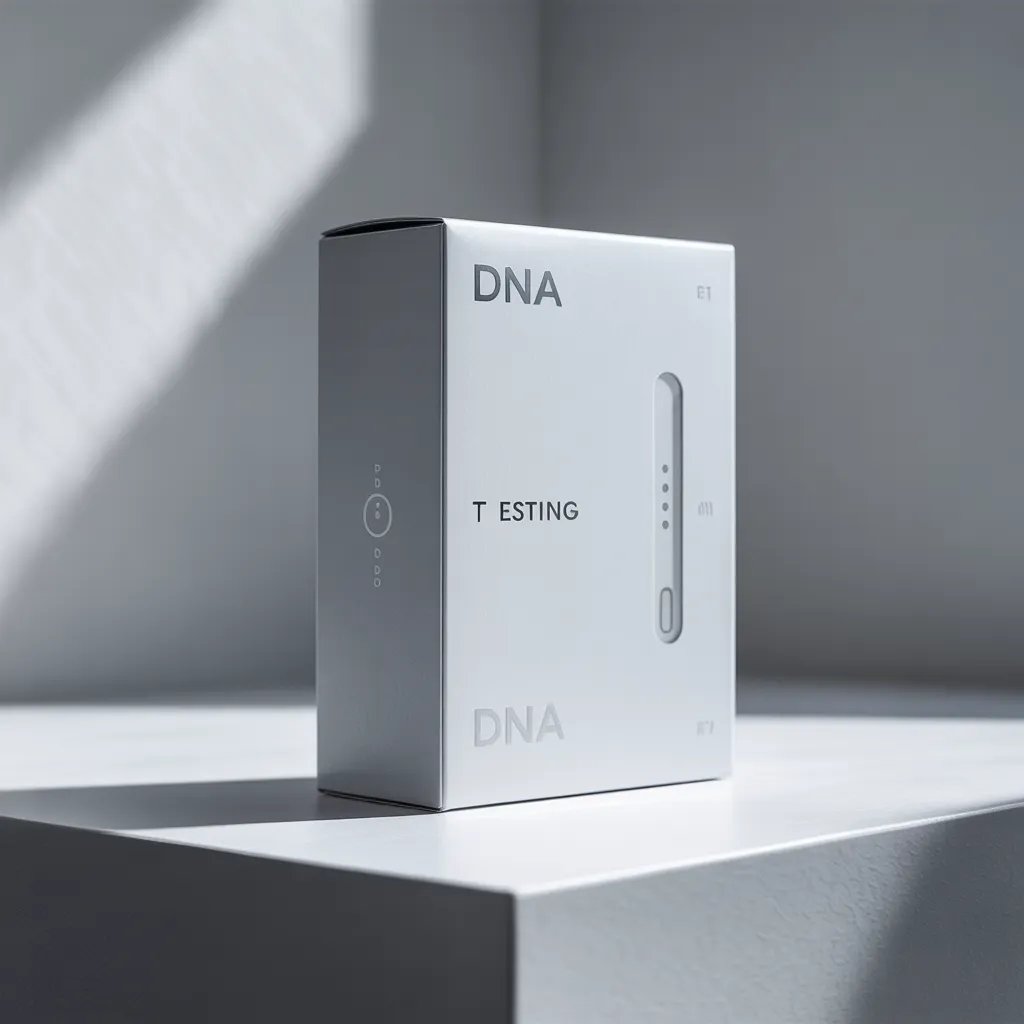
Residential paternity tests commonly work through a straightforward process that involves gathering DNA specimens. People are provided with a test kit containing swabs designed to gather cheek cell samples, typically from the potential father and child. Participants are advised to softly brush the swabs along the inside of their cheeks so as to obtain enough DNA for testing. After collecting the samples, the swabs are secured in provided containers and then forwarded to a testing facility for evaluation.
In the lab, the DNA is extracted and analyzed to pinpoint particular genetic indicators. This analysis compares the DNA profiles of the child and the alleged father to establish biological parentage. Results are usually available within a few days, and the procedure is intended to remain user-friendly, guaranteeing little inconvenience. The convenience of home testing appeals to many, enabling people to find results in the privacy of their own environment. This procedure highlights the test's growing popularity as a trustworthy solution for confirming paternity.
How Accurate Are Home Paternity Tests?
How dependable are at-home paternity tests for identifying biological connections? Generally, these tests claim to offer a high accuracy rate, often exceeding 99% when conducted correctly. These tests examine DNA samples collected from the potential father, child, and occasionally the mother, evaluating genetic markers to confirm a biological connection. Nevertheless, the reliability of results may be affected by elements such as sample contamination or incorrect handling procedures.
Most home tests use cutting-edge approaches akin to those found in professional labs, yet they may be without the strict quality control characteristic of professional testing. In addition, results can fluctuate between various brands and products, highlighting the significance of identifying a reputable provider. While home paternity tests can offer a strong indication of familial relationships, individuals should proceed carefully, recognizing that legal and emotional implications may result from the findings. Ultimately, for absolute certainty, consulting a certified laboratory is strongly encouraged.
What Are the Main Privacy Issues to Consider?
Whereas home paternity tests present a convenient way to establish familial biological ties, they simultaneously present serious privacy issues. The acquisition and processing of genetic data, commonly obtained through saliva or cheek swabs, can lead to unlawful access or exploitation. Numerous providers fail to ensure the confidentiality of submitted samples, placing individuals at risk of security breaches and data exposure.
Furthermore, the findings may be shared with third parties without clear consent, amplifying worries of discrimination or bias. Individuals may also be uninformed of how their genetic data will be stored or potentially utilized for research aims.
Moreover, the emotional consequences linked to unforeseen outcomes can create additional challenges within the landscape of personal privacy. In summary, while these examinations present simplicity and widespread availability, the absence of strict regulatory oversight and clarity in data management practices brings forth significant concerns about individuals' rights to privacy and ownership of their own genomic information.
How Do Test Outcomes Impact Emotional Well-Being?
The emotional consequences from paternity test results can be significant and extensive. Those involved may experience a whirlwind of emotions, ranging from joy and comfort to feelings of betrayal and anger. For certain individuals, a positive match can validate longstanding assumptions, fostering a bond of trust and reassurance. In contrast, a negative result may lead to emotions of uncertainty, bewilderment, and grief, particularly if a family relationship is called into question.
Such feelings often spread beyond the individual to impact family relationships. Parents may grapple with fear and guilt concerning what this means for their children, while siblings could encounter alterations in their understanding of family structure. Furthermore, social stigma can exacerbate these feelings, as individuals navigate societal expectations surrounding parentage. Ultimately, the mental effect of the results of paternity testing can vary significantly, underscoring the intricate relationship between personal identity, trust, and mental health.
Important Factors to Consider When Choosing a Home Paternity Test
Working through the complex emotions following paternity test results often leads individuals to think carefully about their next steps, particularly when choosing a home paternity test. A number of important considerations require careful thought to guarantee a trustworthy and positive outcome.
As a primary consideration, exactness is critical; individuals should seek tests with high sensitivity and specificity rates. Next, the ease of use is vital; a straightforward collection process can alleviate stress. Confidentiality represents another major consideration; reputable companies should guarantee secure handling of personal data and results.
Pricing is also an important consideration; potential users should weigh the price against the test's credibility and support services. In addition, user reviews and personal accounts shed light on the experiences of fellow customers, offering guidance in maneuvering through options. By thoroughly considering these aspects, people can arrive at well-informed decisions that match their personal requirements and goals.
Common Questions and Answers
Are Home Paternity Tests Legally Admissible in Court?
At-home paternity tests are typically not legally admissible in court due to concerns about accuracy and the lack of standardized procedures. Courts typically require analyses carried out by certified laboratories to be considered credible legal proof in paternity proceedings.
How Long Does It Take to Get Home Paternity Test Results?
Home paternity test results typically take three to five business days for processing. Some companies offer faster turnaround options, reducing the wait time to approximately 24 hours, depending on the specific testing method used.
Is Retesting an Option if I'm Uncertain About My Results?
Indeed, people can repeat the test if not confident in the results. It is complete guide best to allow some time to pass before repeating the test to confirm reliable results. Speaking with an expert can also provide guidance on the best steps to take.
Which Samples Are Required for At-Home Paternity Tests?
At-home paternity tests generally need buccal swabs from the child and the alleged father, though a number of kits are also compatible with blood specimen samples. Correct collection and careful handling of these samples is critical to achieving accurate results.
Do Age Restrictions Apply When Testing Children?
There are typically no particular age limitations when testing children using home paternity tests. However, obtaining consent from a legal guardian is typically required, guaranteeing that the child's rights and personal privacy are honored throughout the procedure.