Complete Guide to Home Paternity Test
A Parent's Complete Guide to Home Paternity Testing: Helpful Tips and Advice
Home paternity testing offers parents a means to clarify matters of paternity in a straightforward manner. This method requires obtaining genetic samples, typically via non-invasive techniques, and submitting them to a laboratory for examination. Still, the process necessitates careful consideration and understanding. Guardians need to identify a reliable testing kit and stay equipped for the emotional consequences that might emerge. What steps should they take to guarantee a smooth experience and interpret the meaning behind the outcomes?
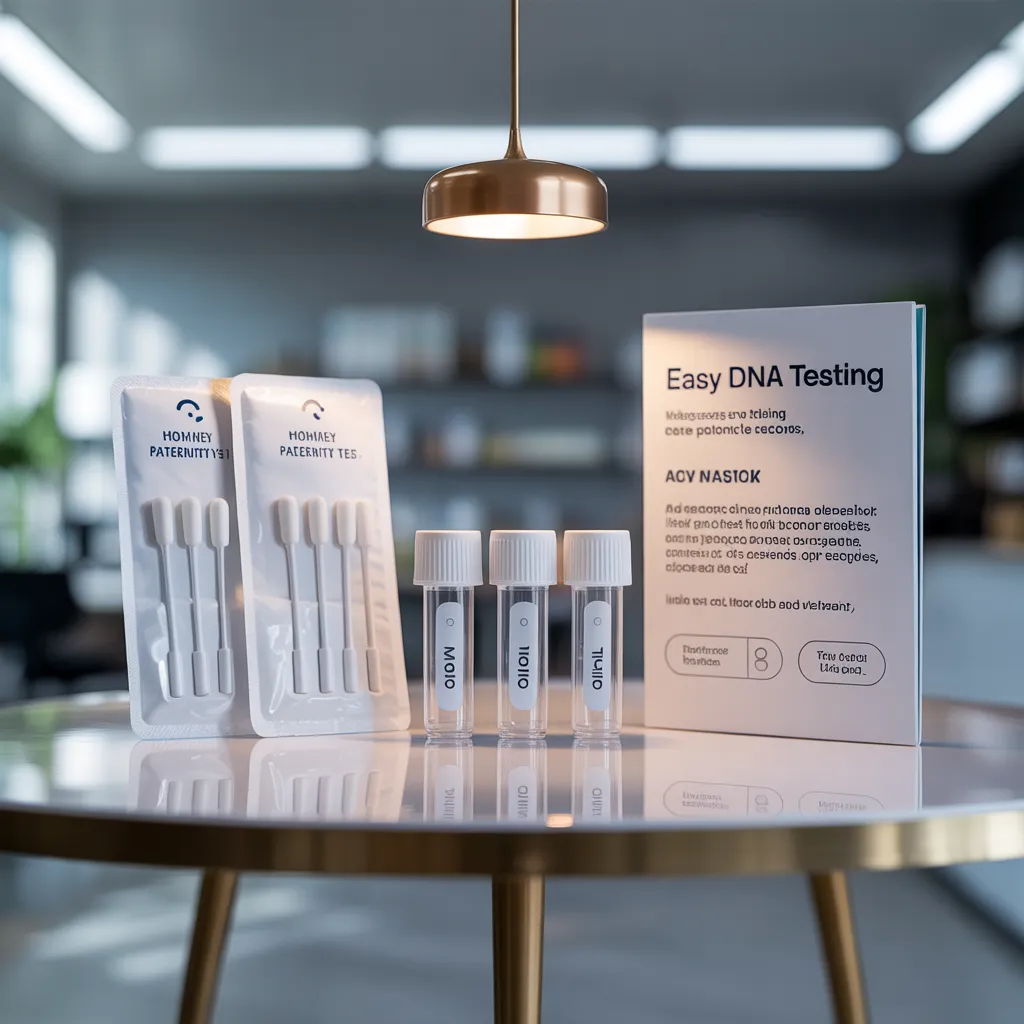
What Is Home Paternity Testing and How Does It Work?
At-home paternity testing has grown into a widely accessible choice for parents looking to establish a child's biological paternity. This form of testing generally requires gathering DNA samples from both the child and the potential father, usually through straightforward cheek swabs. When the samples have been gathered, they are dispatched to a laboratory for processing.
Within the laboratory, DNA undergoes extraction and comparison via cutting-edge genetic analysis procedures. This procedure pinpoints specific genetic markers within the DNA to confirm a match or rule out a relationship between the child and the potential father. Results typically take a few days to a couple of weeks, based on the testing service selected.
Home paternity testing is intended to explore this topic deliver a straightforward and private way for individuals to obtain answers about paternity. Nevertheless, it is important, for parents to choose reliable testing companies to secure trustworthy and consistent results.
Evaluating Different Types of Home Paternity Testing Kits
When exploring paternity testing, parents frequently come across various kits that differ across methodology, accuracy, and cost. The most popular types of home paternity testing kits include cheek swab tests, which gather DNA samples with cotton swabs, and blood tests, which involve collecting a blood sample for examination. Cheek swab kits are generally easier to use and non-invasive, making them a favored option for parents. In contrast, blood tests tend to deliver superior accuracy but may involve more complexity.
In addition, there are kits that provide results within a few days, while some may require several weeks to deliver results. The price of these kits can fluctuate widely, ranging from cost-effective selections to high-end packages featuring advanced analysis. It is essential for families to be aware of these distinctions, as the selection of kit can affect both the overall testing experience and the accuracy of the results.
Picking a Reputable Home Paternity Testing Kit
Picking a trustworthy home paternity testing kit requires thoughtful deliberation, as the dependability of findings can greatly impact family dynamics. Individuals should prioritize kits from reputable companies that follow established guidelines and standards. Researching the manufacturer's background, reading customer reviews, and verifying accreditations can provide valuable insights into the kit's credibility.
Furthermore, it is crucial to ensure that the kit offers detailed instructions for sample gathering and delivery. A detailed kit should feature all required materials, such as packaging and swabs, to ensure a efficient testing process. Openness regarding laboratory testing and result explanations is also essential; reputable providers usually offer comprehensive details about their testing procedures.
In the end, picking a trustworthy home-based paternity testing kit involves thorough research and careful evaluation, ensuring that family members receive accurate results that can enable them to make well-informed decisions about their relationships.
Complete Step-by-Step Instructions for the Home Paternity Testing Process
The process of paternity testing can be simple when parents adopt a structured method. First, they should choose a reputable home testing kit, confirming it fulfills the essential standards. After the kit arrives, parents need to read through the directions attentively to comprehend the necessary steps.
After that, the participants should obtain specimens from the alleged father and the child, typically using cheek swabs. It's essential to comply with all sanitary procedures to eliminate any risk of contamination. After collecting the samples, the responsible parties should securely package them as outlined in the instructions and deliver them to the designated laboratory.
When the specimens are received, the lab will perform the examination, evaluating the DNA profiles. This procedure usually takes several days to a few weeks, subject to the laboratory. Throughout this timeframe, keeping up contact with the laboratory can help address any issues or inquiries that might come up.
What Steps to Take After Getting Your Paternity Test Results
What should parents do once they receive their paternity test results? The primary step is to closely examine the results to grasp their meaning. Should the test establish paternity, parents may wish to consider the subsequent steps concerning legal and emotional concerns. This may involve reaching out to a lawyer to handle custody or support matters.
When the results show no biological relation, parents need to anticipate potential emotional struggles and consider seeking professional support, such as counseling. Open communication with all parties involved is vital for addressing the matter thoughtfully.
Whatever the outcome may be, parents ought to focus on the best interests of the child. They might also consider letting the child know, based on the child's maturity and comprehension. Lastly, recording the findings and any follow-up steps can be valuable in future legal or personal matters.
Popular Questions We Receive
Is Home Paternity Testing Legally Admissible in Court?
Home paternity testing results are generally not legally admissible in court owing to concerns related to chain of custody and testing protocols. Courts typically require tests conducted by accredited laboratories to guarantee reliability and validity.
How Precise Are At-Home Paternity Testing Kits?
At-home paternity test kits typically offer precision rates of over 99%. That said, results may vary depending on the quality of samples and testing procedures employed. For definitive conclusions, laboratory testing is recommended for legal purposes and higher reliability.
Can Siblings or Grandparents Be Tested?
Indeed, one can test for familial relationships such as siblings or grandparents through specific genetic tests. These tests assess mutual DNA sequences, delivering understanding of family relationships, though accuracy may vary compared to standard paternity tests.
How Much Do Home Paternity Tests Cost?
Home paternity testing options generally cost from $100 to $400, depending on the provider and the complexity of the test. Additional costs may arise for extra services, such as rush processing or further relationship analysis.
Are There Any Age Restrictions for Testing Children?
No age restrictions typically apply to home paternity testing. That said, it is recommended that parents or guardians consent on behalf of minors, ensuring ethical considerations and legal requirements are met during the testing process.