Complete Guide to Orthopedic Ankle Braces
Ankle Support Innovations: The Latest in Orthopaedic Supply Technology
Latest developments in ankle brace technology have significantly transformed the domain of orthopaedic supplies. Greater stability and comfort are now achieved through innovative materials and designs. Attributes like moisture-managing fabrics and customisable straps accommodate personal requirements. Meanwhile, the integration of smart technology delivers unparalleled visibility into ankle joint performance. As these advancements continue to emerge, their influence on both professional athletes and everyday individuals generates meaningful discussion about the direction of ankle support technology.
The Way Ankle Supports Guard Against Common Injuries
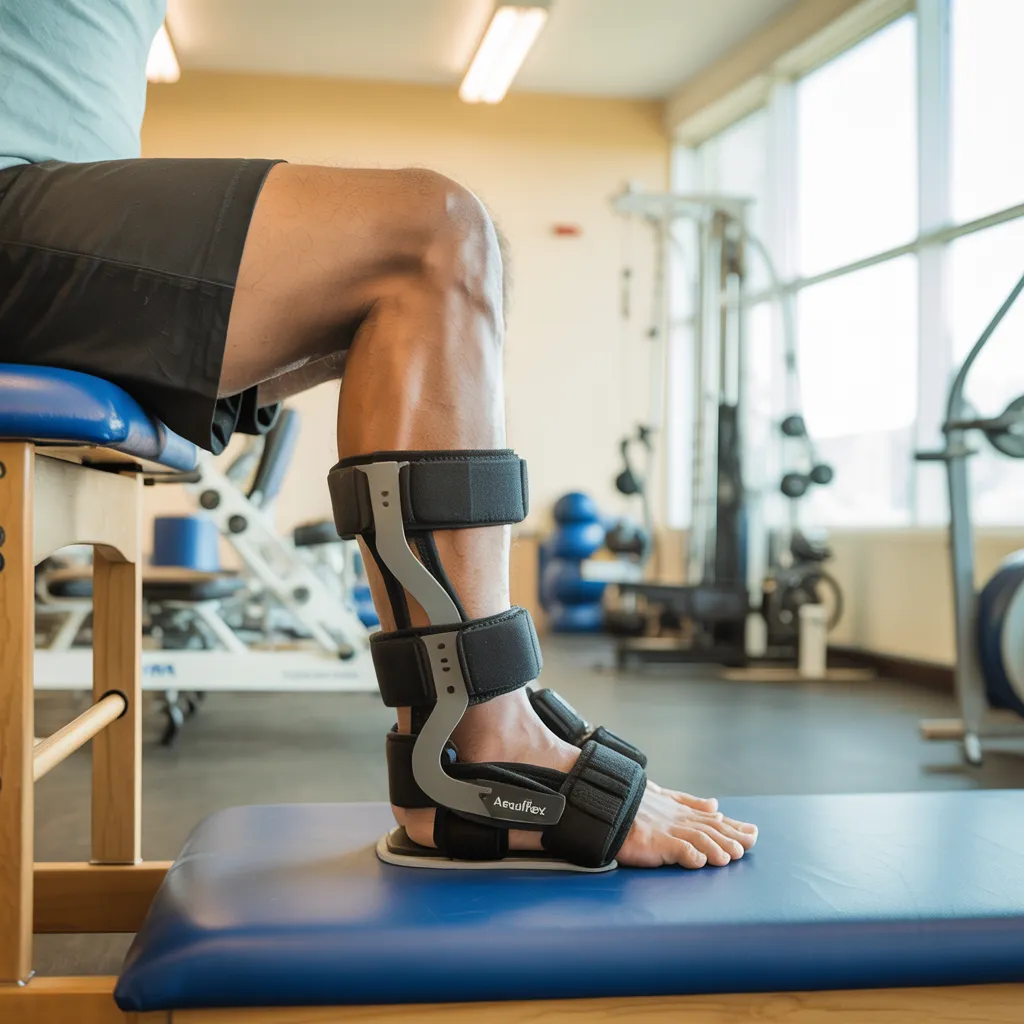
Ankle supports play an essential role in reducing the risk of common injuries, particularly during high-demand physical activities that strain the joint. These devices deliver stability by restricting overly wide movement, which is crucial for athletes and those participating in high-impact sports. Ankle supports are frequently designed with features that promote even pressure distribution, lowering the chances of sprains and strains. By ensuring proper joint alignment during physical activities, they shield ligaments and tendons from becoming overstretched.
In addition, ankle supports can improve proprioception, allowing users to more effectively perceive the placement of their joint. Such heightened awareness can contribute to enhanced physical stability and coordination, thereby reducing injury risks. Furthermore, they can provide healing advantages, such as compression, which may minimize inflammation and accelerate healing. In summary, the deliberate application of ankle supports can be an effective preventive measure against typical ankle-related injuries, supporting safer participation in diverse sporting and physical activities.
Critical Features to Look For in Ankle Support
When choosing the right ankle support, several key features greatly influence its performance. To begin, the amount of compression is critical, as it works to stabilize the ankle joint while decreasing swelling. Adjustable straps or closures provide a customized fit, accommodating various ankle sizes and shapes. Material breathability is also important; a sturdy yet breathable material improves comfort during extended use.
Furthermore, a lightweight design contributes to freedom of motion, making it appropriate for both active and routine activities. The ankle support should also provide adequate rigidity to minimize excessive movement without sacrificing flexibility.
To conclude, consider the category of protection—whether it's a sleeve, brace, or wrap—as each serves different purposes. By considering these important characteristics, people can choose an ankle brace that suits their individual requirements, promoting better recovery and injury prevention.
Cutting-Edge Ankle Support Technologies: How Smart Tech Is Redefining the Game?
How is modern technology revolutionizing ankle support? The integration of smart technology into ankle support devices is revolutionizing how individuals manage and recover from injuries. Advanced wearable sensors now collect real-time metrics, such as pressure distribution and joint movement, empowering users to access tailored feedback and follow their rehabilitation advancement. These innovations enable dynamic modifications to support levels according to activity, improving both comfort and overall performance.
Furthermore, some ankle braces feature smart applications that offer insights and data, helping users analyze their physical activity patterns and recovery stages. Such an analytical methodology equips patients and athletes equally to take well-informed actions about their workout and recovery schedules. As intelligent technology advances further, the opportunity for advanced injury prevention and healing methods becomes ever more important, representing a revolutionary change in the domain of orthopedic treatment.
Breathable Textiles vs. Traditional Materials: Which Is More Effective for Ankle Support?
The comparison between breathable fabrics and traditional materials for ankle support centers on essential considerations like comfort during physical activity, durability, and moisture-wicking properties. Breathable fabrics frequently demonstrate superior moisture management, boosting comfort levels while decreasing irritation. On the other hand, traditional materials may offer superior durability, sparking debate about their lasting effectiveness under varying conditions.
Moisture-Wicking Properties Explained
While traditional materials like cotton and polyester have long been staples in ankle support products, advancements in moisture-wicking textiles are transforming the world of athletic gear. These innovative materials are specifically crafted to transport moisture away from the skin, fostering a more comfortable and moisture-free experience during exercise. As opposed to standard fabrics that hold onto sweat, moisture-wicking materials quickly evaporate moisture, reducing the risk of chafing and irritation. This characteristic proves especially valuable for sportspeople and active individuals requiring long-term ankle support use. Moreover, the improved airflow provided by these fabrics aids in temperature regulation, guaranteeing optimal comfort. Consequently, moisture-wicking alternatives are gaining significant traction among consumers looking for efficient and comfortable ankle support options.
Durability And Longevity Comparisons
Durability serves a critical function in evaluating ankle support materials, especially when contrasting breathable materials with conventional choices like cotton and polyester. Breathable textiles, commonly crafted with advanced synthetic components, exhibit outstanding resilience against general wear, making them better suited for demanding physical activities. These textiles are engineered to handle continuous strain while maintaining their structural integrity over time. In contrast, conventional materials like cotton and polyester, while broadly adopted, may degrade faster due to moisture retention and lack of elasticity. The extended lifespan of breathable textiles can also be credited to their effectiveness in resisting mold and bacterial growth, thereby strengthening their overall longevity. Ultimately, the selection of fabric significantly impacts the durability and functionality of ankle support solutions.
Levels of Comfort During Activity
Numerous athletes and active individuals place a high priority on comfort when choosing ankle support, as it can greatly influence performance and overall experience. Ventilated fabrics, such as mesh and sweat-wicking materials, deliver better airflow, minimizing sweat buildup and encouraging a cooler setting during vigorous activities. Such characteristics can reduce skin irritation and discomfort, making them ideal for extended use. In contrast, traditional materials like neoprene may offer more rigid support but can trap heat, leading to discomfort in warmer conditions. Selecting between breathable fabrics and conventional materials depends on personal needs; athletes participating in high-intensity sports may prefer breathable choices, while those requiring extra stability might opt for more conventional materials. At the core, comfort is fundamental to achieving effective ankle support throughout any activity.
How Adjustable Braces Deliver Tailored Ankle Support
Adjustable braces offer a tailored solution for users in need of optimal ankle stability, as they can be customized to fit the specific needs of each individual. These braces utilize an assortment of velcro, straps, and buckles, enabling wearers to reach the optimal amount of compression and stabilization. This personalized system guarantees that individuals can adjust the support to their specific activity needs, no matter if it entails rigorous sports or daily tasks.
In addition, adjustable supports can accommodate a wide variety of foot sizes and shapes, making them ideal for a diverse range of individuals. Through the provision of targeted support, they help alleviate discomfort and reduce the risk of injury during exercise and physical activities. The capacity to readily adjust the fit further promotes compliance, encouraging users to wear the brace consistently. Consequently, adjustable braces mark a major advancement in ankle brace technology, elevating both functionality and the overall user experience while prioritizing individual needs.
Documented Studies on Ankle Brace Effectiveness
Numerous case studies highlight the impact of multiple ankle support products in strengthening balance and minimizing injury rates. Clinical trials involving athletes demonstrated that wearing ankle braces significantly reduced the rate of sprains during high-intensity sports. In a controlled study, seventy percent of subjects wearing supportive braces experienced fewer re-injuries relative to participants without braces.
Furthermore, a research study conducted with individuals recovering from ankle injuries showed that those utilizing rigid supports experienced a quicker return to their daily routines. The outcomes revealed that increased proprioception and immobilization offered by these supports resulted in better recovery times.
Additionally, research featuring ordinary people, like those dealing with long-term ankle issues, revealed that continuous wearing of adaptable ankle braces led to enhanced confidence in physical activity and a significant decrease in falls. Collectively, these studies offer strong evidence that proper ankle bracing can serve a critical function in preventing injuries and supporting recovery.
Ankle Stabilization Innovations: Athletes vs. Everyday Users
The requirements of athletes and regular users for ankle support highlight unique priorities when it comes to design. Athletic performance demands center around both stability and responsiveness, while daily mobility requirements prioritize ease of use and comfort. Innovations in customization and fit options accommodate these differing demands, boosting the overall effectiveness of ankle support for both categories of users.
Athletic Performance Requirements
Professional athletes often face specific performance challenges that necessitate specialized ankle support innovations, setting their requirements apart review article from those of casual users. These athletes engage in demanding physical activities that require improved stability, adaptability, and responsiveness from their ankle support systems. Developments such as lightweight materials, advanced strapping techniques, and targeted compression have emerged to address these particular needs. For instance, some ankle braces incorporate flexible support frameworks that adjust to different movements, enabling sportspeople to sustain optimal performance while limiting potential injury. Furthermore, moisture-wicking fabrics and breathable designs boost comfort during long-term use. In summary, the attention to performance-centered innovations guarantees that sportspeople can exceed their boundaries while safeguarding their ankles against the stresses of rigorous training and competition.
Daily Mobility Requirements
Numerous people going through everyday life require ankle support solutions that focus on comfort and stability over the high-performance features desired by athletes. For those with everyday needs, the focus moves to products that ease pain and avoid injuries during routine activities such as walking, standing, or light exercise. Innovations in materials and design have produced lighter, more breathable options that deliver essential support without limiting mobility. In addition, these supports often feature adjustable elements to adapt to varying levels of swelling or fatigue throughout the day. While athletes may need advanced stabilization and performance enhancements, everyday users are best served by solutions that enhance their overall quality of life, empowering them to engage in daily tasks with confidence and reduced risk of injury.
Personalization and Fit Choices
Customization and fit options play a pivotal role in boosting the performance of ankle supports for both athletes and everyday users. Athletes require tailored solutions that accommodate their specific sports and levels of intensity, frequently choosing adjustable components that deliver both structural stability and dynamic flexibility. Meanwhile, everyday users generally focus on comfort and wearability, searching for options that fit effortlessly into everyday life. Progress in materials and design innovation has allowed manufacturers to produce items that meet these wide-ranging demands, providing a secure fit while preserving freedom of movement. Customizable straps, varying levels of compression, and size ranges continue to elevate the wearer's experience, allowing individuals to find the ideal support for their unique requirements, consequently enhancing both effectiveness and overall comfort.
What Lies Ahead for Ankle Support Technology?
The advancement of ankle support technology promises notable breakthroughs that could enhance performance and recovery. Emerging materials, like sensor-embedded smart fabrics, are expected to monitor real-time movement and deliver insights to athletes. This advancement is designed to minimize injury occurrences by alerting athletes when they are at risk of improper motion.
Additionally, 3D printing technology is poised to transform custom ankle braces, enabling customized designs that account for unique anatomical requirements. This has the potential to improve comfort and effectiveness, rendering conventional, generic alternatives outdated.
In addition, innovations in biomechanics may produce supports that actively change their firmness based on movement intensity, offering both firmness and mobility. With researchers actively working to explore these avenues, the integration of machine learning in restorative procedures could further optimize recovery processes. Overall, the convergence of these advancements points toward a bright future for ankle bracing advancements, advancing both competitive performance and preventive care.
Questions We Often Receive
How Can I Select the Correct Size for Ankle Supports?
To determine the right size for ankle support products, take a measurement of the ankle at the narrowest point. Refer to the sizing chart provided by the manufacturer, ensuring a comfortable fit without restricting blood flow or mobility for the best possible support.
Is It Possible to Wear Ankle Supports While Sleeping?
Ankle braces can be worn during sleep, but ensuring comfort and a good fit is important. Such devices may help maintain stability and decrease swelling, yet prolonged use should be monitored to minimize the risk of reduced blood flow or unease.
Are There Risks Involved in Using Ankle Supports Over the Long Term?
Extended use of ankle braces has the potential to cause weakened muscles, diminished proprioception, and reliance on the support. Appropriate assessment and intermittent breaks from support are critical to sustain optimal strength and performance in the ankle joint.
When Should I Replace My Ankle Support?
Ankle supports are usually recommended for replacement every six months to a year, according to the extent of use and deterioration. Regular inspections help guarantee ideal support and prevent potential injuries caused by worn-out materials.
Do Ankle Braces Limit Your Range of Motion Too Much?
Ankle supports can restrict movement to varying degrees, based on their design and intended purpose. Although certain models offer considerable support, others allow for more mobility, maintaining an equilibrium between stability and mobility to meet the unique needs and physical demands of each user.