Discover a Sibling DNA Test for Relationship Clarity
The Future of Paternity Testing: Breakthroughs in At-Home Kits
The future of paternity testing is evolving rapidly, particularly with the rise of home testing kits. These developments bring improved privacy, convenience, and ease of access. Enhanced DNA analysis and mobile app integration are on the horizon. As societal attitudes shift, individuals are increasingly seeking clarity on parentage issues. This evolution prompts significant inquiries about dependability and ethical consequences, encouraging a deeper look at how these developments will shape family relationships in the future.
The Increasing Popularity of Home Paternity Testing Kits
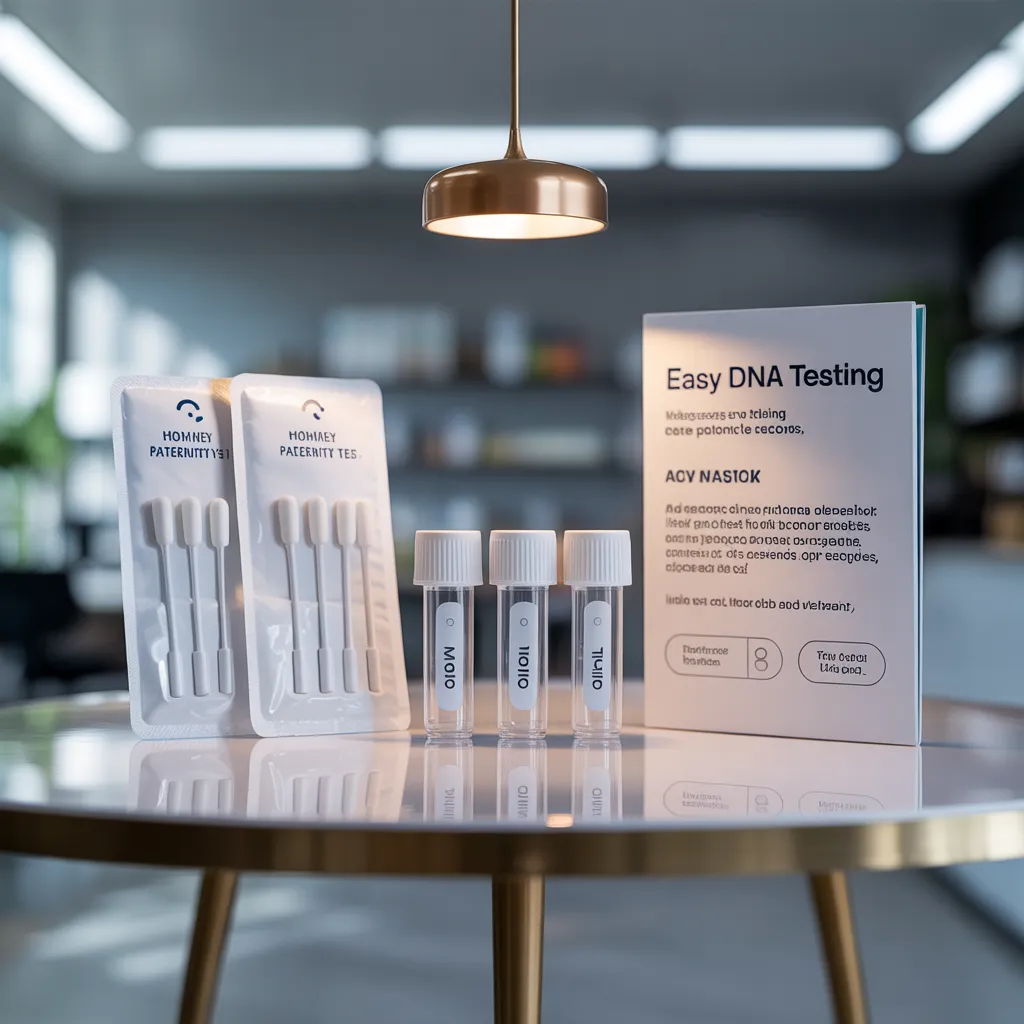
The advent of residential paternity test kits has revolutionized the domain of genomic testing, giving individuals a convenient and private solution for determining biological relationships. These kits, widely available through retailers and online platforms, allow users to gather DNA specimens from themselves and their offspring without the need for professional assistance. The simplicity of the process has democratized access to paternity testing, empowering individuals to resolve questions of parentage within the comfort of their own households.
Breakthroughs in packaging and technology have enhanced the precision and dependability of findings, frequently delivering insights within a matter of days. Moreover, the accessible pricing of these home kits has expanded availability to a wider demographic, alleviating the negative perceptions surrounding pursuing these tests. As social standards shift, the increasing demand for home paternity testing kits signals a increasing need for openness and individual empowerment in family and identity matters.
Using Home Paternity Testing Kits: A Complete Step-by-Step Guide
Numerous people find the process of using at-home paternity test kits straightforward and user-friendly. Initially, participants should ensure they have all required items, which generally consist of swabs, a collection envelope, and detailed instructions. Participants must then collect DNA samples, commonly via buccal swabs, ensuring the procedure is efficient and complete to prevent contamination.
Subsequently, individuals should closely follow the kit's instructions for properly sealing and labeling the sample materials. Accurate labeling is vital for ensuring sample integrity. After the samples have been prepared, they should be placed in the included envelope and shipped to the appropriate laboratory, often using pre-paid shipping options included in the kit.
Following the mailing process, people can expect to wait a few days to several weeks for their results, which can typically be accessed online or through direct communication with the testing company. By following these guidelines provides a smooth interaction with home-based paternity testing kits, allowing for precise results in a familiar and comfortable environment.
How Dependable Are At-Home Paternity Tests?
How dependable are home-based paternity tests? The dependability of these tests primarily depends on the quality of the testing kit and the precision of the sample collection method. The majority of well-regarded home paternity tests report accuracy rates of over 99%, as long as the instructions are carefully adhered to. Nevertheless, certain factors, including sample contamination or incorrect handling, may influence the outcomes.
In addition, while several kits use advanced DNA analysis technologies, not all are of the same quality. Buyers should search for tests that are validated by reputable laboratories, guaranteeing rigorous standards in quality testing and verification.
It is important to recognize that although home tests provide convenience and privacy, they may not be admissible in legal situations. Therefore, individuals seeking definitive answers for legal purposes should consider professional testing. In general, home paternity tests have the potential to be accurate, yet individuals must use them with prudence and careful consideration.
Understanding Legal and Ethical Concerns in Home Paternity Testing
Home paternity tests, while convenient and private, present notable legal and ethical concerns that consumers need to be aware of. One major concern is the possibility of misuse, such as fraudulent claims or disagreements concerning child custody and financial support matters. Result accuracy may also affect legal processes, as courts may not recognize residential test findings without adequate verification.
From an ethical standpoint, individuals encounter moral challenges related to consent, especially when minors are involved. Proceeding with testing in the absence of full consent from all individuals can lead to strained relationships and emotional distress. Furthermore, uncovering unexpected parentage can carry deep psychological consequences, reshaping family structures and the sense of self for those involved.
Furthermore, the absence of regulation in the home testing market raises questions about the reliability of the results offered. Consumers must be cautious, ensuring they are aware of the meaning behind the results and the insightful guide potential impact on their personal lives and connections.
How Simple Testing Is Transforming Family Relationships
Transforming family dynamics, easy access to paternity testing has altered the way people approach biological connections and family relationships. With residential testing kits easily accessible, people can now seek answers to questions about biological ties without the lengthy processes historically linked to such inquiries. This ease of access encourages openness within family dynamics, facilitating honest dialogue about parentage.
Therefore, the social stigma connected to paternity concerns diminishes, allowing families to handle issues that may have been hidden for a long time. The chance to establish parentage can create more meaningful connections among family members, as questions are resolved. However, this simplicity of the testing process also brings about new difficulties; unforeseen findings can disrupt long-established relationships. As families process these complications, the equilibrium between knowledge and emotional consequences becomes crucial. At its core, easy testing is transforming dialogues about identity, confidence, and belonging, fostering an evolving context in family dynamics.
Popular Questions Answered
Do Courts Accept Home Paternity Tests?
At-home paternity tests are typically rejected in court because of issues regarding chain of custody and accuracy. Legal proceedings commonly require assessments carried out by certified laboratories to ensure reliability and adherence to standards.
Is Paternity Testing Available for Pets?
DNA testing can be used to determine paternity in pets, which establishes genetic relationships. These tests analyze specific markers to confirm lineage, offering valuable information for breeders and pet owners regarding ancestry and health considerations.
How Much Do Home Kits Cost?
Paternity testing kits for home use usually fall between $100 and $300, according to the brand and type of test. Pricing may differ according to extra features, including faster turnaround times or additional sample collection methods.
How Long Does It Take to Receive Results?
The turnaround time for home paternity testing kits usually ranges between a few days to two weeks. Processing times may vary based on the laboratory processing time and the efficiency of the mail service used for sample submission.
Do Age Restrictions Apply to Testing?
Age-related requirements for paternity testing generally vary based on the provider's guidelines. Typically, those under the age of majority may need parental approval, while adults can proceed without limitations. It's essential to check specific guidelines for each testing service.