DNA Paternity Test: Accurate Fatherhood Testing for Personal Confirmation
The Growth of At-Home Paternity Testing: Reliability, Discretion, and Accessibility
The increasing prevalence of home paternity tests highlights a significant change in how families approach the verification of parentage. With reliability rates often exceeding 99%, these assessments present a convenient means for collecting DNA samples. However, persistent privacy concerns about DNA data continue to exist. As an increasing number of individuals evaluate this form of testing, they must weigh the implications of privacy, accuracy, and emotional impact. Which considerations should guide them in their decision-making process?
How Do Home Paternity Testing Kits Work?
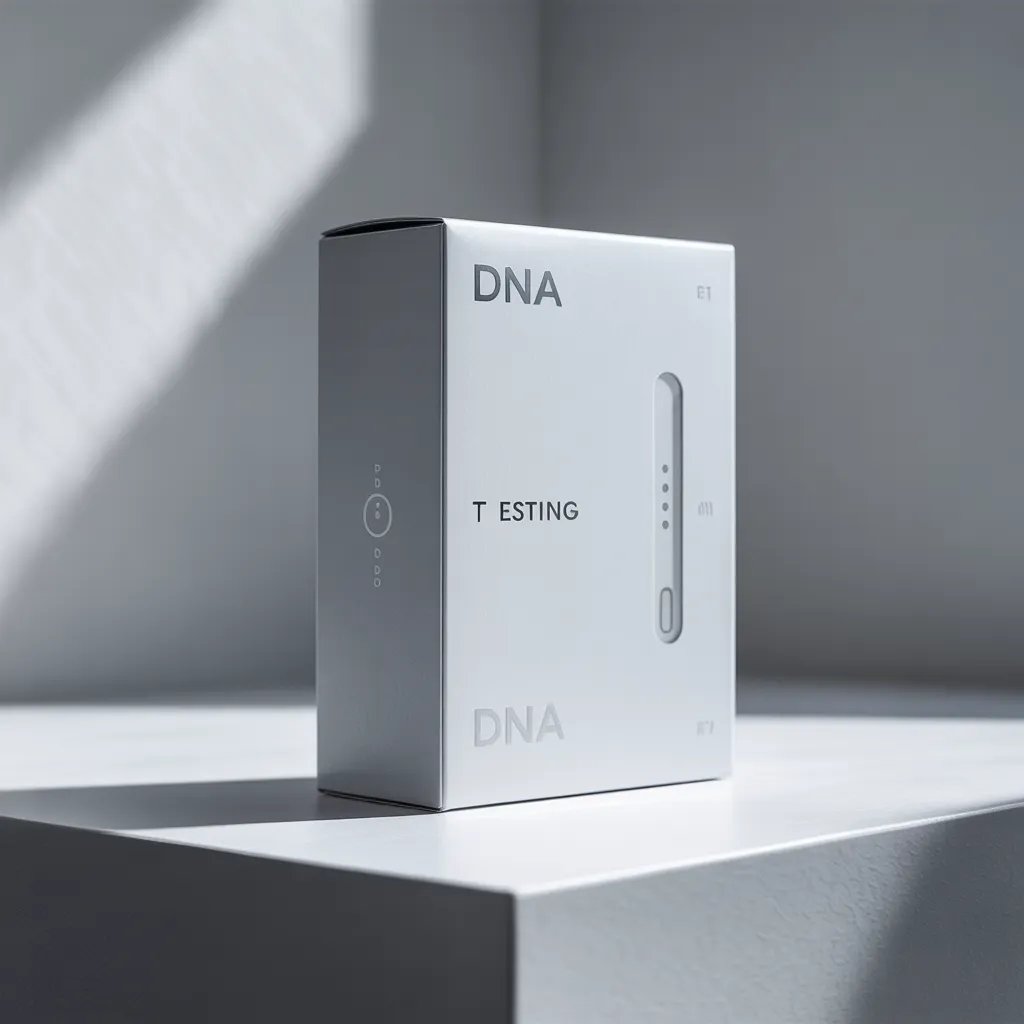
Home paternity tests typically function via a simple procedure involving the collection of DNA samples. Participants obtain a testing package containing swabs designed to gather cheek cell samples, typically from the potential father and child. Participants are advised to softly brush the swabs along the inside of their cheeks so as to obtain enough DNA for testing. Following the collection of the samples, the swabs are secured in provided containers and then forwarded to a testing facility for evaluation.
Within the lab, the DNA is collected and examined to identify specific genetic markers. This analysis compares the DNA profiles of the child and the alleged father to establish biological parentage. Outcomes are generally provided within a few days, and the procedure is intended to remain user-friendly, ensuring minimal discomfort. The ease of at-home testing resonates with many people, allowing individuals to seek answers in the comfort of their personal space. This procedure highlights the examination's increasing recognition as a reliable option for paternity verification.
How Accurate Are Home Paternity Tests?
How reliable are home paternity tests when it comes to determining biological relationships? Typically, these tests are designed to provide a high degree of accuracy, frequently surpassing 99% when performed properly. They analyze DNA samples from the alleged father, child, and sometimes the mother, comparing genetic markers to establish a relationship. Nevertheless, the reliability of results may be affected by elements such as sample contamination or incorrect handling procedures.
The majority of home tests use sophisticated methods akin to those found in professional labs, yet they may be without the strict quality control associated with professional testing. Furthermore, results can fluctuate between various brands and products, highlighting the necessity of selecting a reputable provider. While home paternity tests can deliver a clear suggestion of biological ties, individuals should approach them with caution, bearing in mind that significant emotional and legal ramifications may stem from the findings. At the end of the day, for complete confidence, seeking guidance from an accredited lab is advisable.
What Are the Key Privacy Concerns?
Although home paternity tests provide an accessible means of determining genetic connections, they also raise notable concerns regarding privacy. The gathering and management of genetic samples, often in the form of saliva or cheek swabs, has the potential to cause improper access or misappropriation. Many companies do not guarantee the security of collected samples, placing individuals at risk of privacy violations.
Additionally, the data may be distributed to third parties without explicit consent, amplifying concerns of discrimination or prejudice. Individuals may also be uninformed of how their genetic information will be stored or potentially utilized for research aims.
Moreover, the psychological ramifications connected to unforeseen outcomes can further obscure the landscape of personal privacy. On the whole, while such tests offer ease and accessibility, the absence of strict regulatory oversight and transparency in data handling generates important inquiries about personal rights regarding data privacy and ownership of their own genomic information.
In What Ways Do Test Results Influence Emotions?
The psychological impact from paternity test results can be profound and far-reaching. Those involved may experience a whirlwind of reactions, ranging from happiness and relief to resentment and heartbreak. For many people, a positive match can affirm long-held beliefs, fostering a bond of trust and reassurance. Conversely, a negative result may lead to feelings of doubt, confusion, and heartbreak, particularly if a familial bond is challenged.
These emotions may reach beyond the person affected to influence bonds within the family unit. Mothers and fathers might struggle with guilt or fear regarding the impact on their kids, while siblings might face alterations in their understanding of family structure. Additionally, public stigma can worsen these sentiments, as people manage the social pressures related to parenthood. Ultimately, the mental effect of paternity test results differs considerably, emphasizing the complicated connection between sense of self, trust, and psychological wellness.
Essential Factors for Selecting a Home Paternity Test
Navigating the emotional journey in the wake of paternity test results often leads individuals to think carefully about their next steps, particularly when deciding on a home paternity test. Several key factors deserve attention to secure a trustworthy and positive outcome.
First, accuracy remains crucial; consumers are advised to select tests offering superior sensitivity and specificity scores. begin here Additionally, user-friendliness plays a key role; a straightforward collection process can alleviate stress. Privacy is another significant concern; established organizations ought to assure protected processing of private data and findings.
Pricing is also an important consideration; potential users should weigh the price against the test's credibility and support services. Finally, customer reviews and testimonials provide insights into the experiences of others, providing direction when navigating available choices. By evaluating these factors, users can reach thoughtful conclusions that suit their specific needs and standards.
Popular Questions We Receive
Are Home Paternity Tests Legally Admissible in Court?
DIY paternity tests are typically not legally admissible in court owing to reliability issues and a lack of consistent testing protocols. Judicial proceedings commonly require testing performed by accredited laboratories to be considered credible legal proof in paternity proceedings.
How Long Does It Take to Get Home Paternity Test Results?
Results from home paternity tests generally take three to five business days for processing. Certain providers offer accelerated processing services, reducing the wait time to as little as 24 hours, depending on the specific testing method used.
Can I Retest if I'm Unsure of Results?
Yes, people can retest if not confident in the results. It is recommended to allow some time to pass before repeating the test to ensure precise outcomes. Seeking professional advice can also offer insight into the right path forward.
What Samples Do You Need for Home Paternity Tests?
At-home paternity tests generally need oral swab samples from both the child and the presumed father, though a number of kits are also compatible with samples taken from blood. Correct collection and careful handling of these samples is critical to achieving accurate results.
Are There Age Restrictions for Testing Children?
There are generally no specific age restrictions for testing children with home paternity tests. However, obtaining consent from a legal guardian is typically required, making certain that the child's rights and privacy are upheld during the entire process.