professional liposuction clinic malaysia for aesthetic treatments
Liposuction Unveiled: Advantages, Process, and What You Should Know
Liposuction is a broadly acknowledged aesthetic procedure aimed at reshaping the body by targeting and removing stubborn fat deposits. Although it is not designed as a solution for weight loss, numerous people are drawn to its aesthetic rewards. Gaining insight into the procedure, its benefits, and the healing process is essential for anyone considering this option. As candidates weigh their choices, questions about suitability and potential outcomes often arise. What should one truly expect from the liposuction experience?
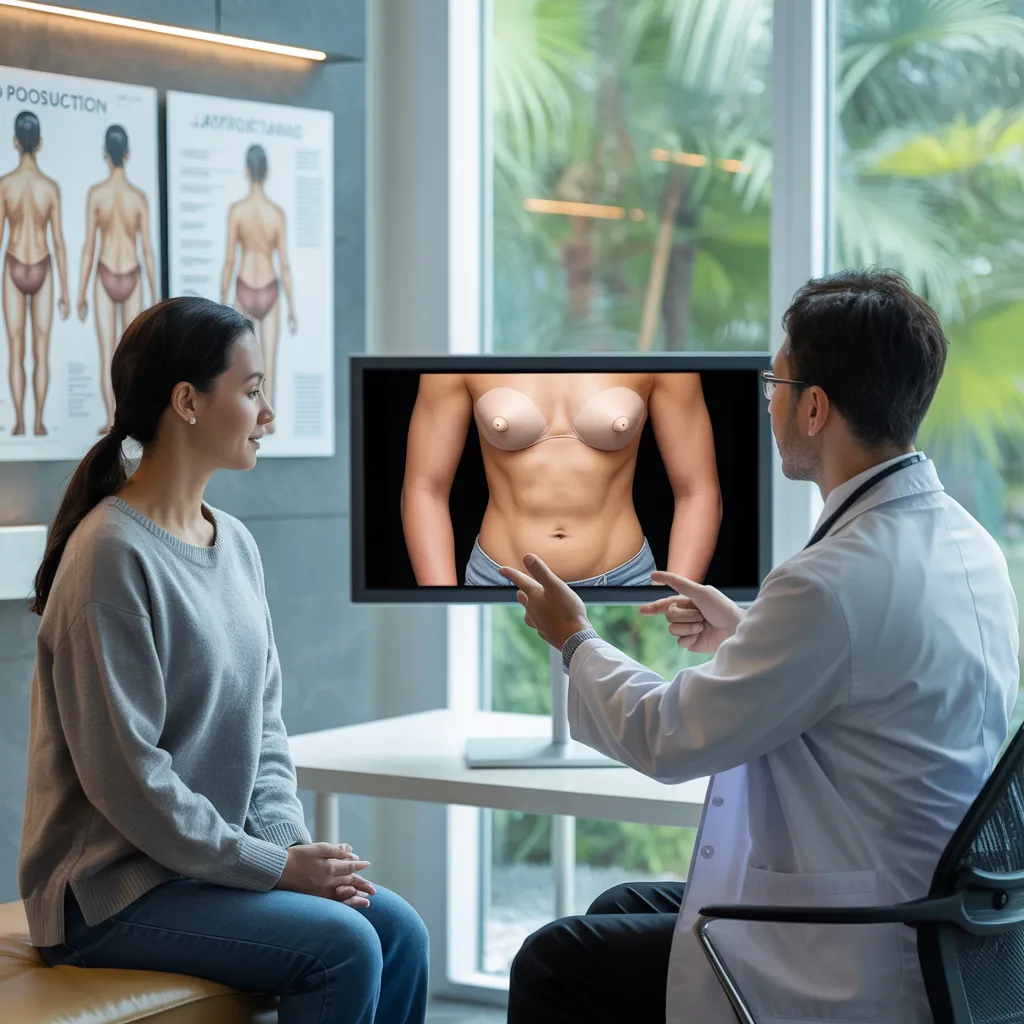
What Is Liposuction and How Does It Work?
Liposuction surgery, a widely sought-after cosmetic procedure, addresses resistant fatty deposits that resist dietary changes and physical activity. The procedure involves the controlled elimination of fat through a specialized review now suction method, utilizing a hollow tube referred to as a cannula. The process starts with the application of anesthesia, ensuring the patient's comfort. Once the area is marked, minimal incisions are performed, allowing the cannula to be inserted into the fatty tissue. The specialist then guides the cannula in controlled back-and-forth motions to loosen the fat cells, which are afterward extracted via suction.
Liposuction is suitable for treating a range of body regions, including areas like the abdomen, thighs, and arms. It is essential for candidates to have realistic expectations, as liposuction serves as a body contouring technique rather than a weight-loss solution. Recovery time varies, but many patients find they can get back to their regular activities within a few weeks. Long-lasting results are achievable when a healthy lifestyle is upheld after the procedure.
Top Benefits of Liposuction
Liposuction offers numerous notable benefits that attract people pursuing body enhancement. Key among these benefits are improved body contouring, which can create a sharper body outline, and an increase in self-assurance that frequently accompanies a positive outcome. Understanding these advantages enables interested individuals arrive at thoughtful conclusions regarding their physical transformation process.
Enhanced Body Contouring
Reimagining one's body contour frequently prompts people to consider the value of refined body shaping through liposuction. This procedure effectively targets stubborn fat deposits, enabling more accurate sculpting of the physique. By removing excess fat from areas such as the abdomen, thighs, and arms, liposuction achieves a more visually appealing physical balance. Patients often appreciate the ability to achieve a contoured look that is difficult to attain through diet and exercise alone. Furthermore, liposuction is capable of enhancing other aesthetic treatments, improving combined outcomes. The flexibility of liposuction enables personalization to each person's specific body composition and aspirations, rendering it a favored selection for patients pursuing substantial improvements in their physical profile. The outcome often results in a more defined silhouette.
Strengthened Self-Confidence
Confidence frequently flourishes subsequent to significant physical transformations, and many individuals encounter this enhancement after undergoing liposuction. The surgery can efficiently target and remove resistant fat accumulations, leading to a more contoured physique that aligns with one's personal appearance goals. As patients witness tangible changes in their bodies, they commonly experience increased self-worth and a better perception of their body. This newly discovered self-assurance can extend beyond physical appearance, impacting personal and professional interactions. Numerous people become inspired to embrace new opportunities, participate in social activities, and present themselves with greater confidence. Ultimately, the mental advantages of liposuction can be profoundly impactful, nurturing a positive self-perception and encouraging healthier lifestyle choices. This surge of self-assurance is among the most persuasive reasons individuals regard liposuction as a beneficial solution.
Are You a Good Candidate for Liposuction?
Evaluating suitability for liposuction encompasses a number of essential criteria. Individuals should ideally be within a stable body weight range, possess no major medical conditions that may present potential risks, and hold well-informed and reasonable expectations concerning the results of the procedure. Evaluating these criteria can help potential patients understand if liposuction is a suitable option for them.
Ideal Body Weight Range
The optimal body weight range is a key factor in evaluating candidacy for liposuction. Prospective patients are generally recommended to be within 30% of their ideal weight, as this reflects a stable weight and practical goals for fat reduction. Liposuction is not designed to serve as a weight-loss solution; rather, it is designed to contour specific areas of the body. People who are significantly overweight or underweight may encounter difficulties in attaining the best results. Furthermore, individuals maintaining a healthy body weight typically exhibit greater skin elasticity, which may improve the final results. Ultimately, being in the ideal weight range is vital for ensuring both safety and effectiveness in the liposuction procedure, leading to a more rewarding transformation.
Health Considerations and Risks
Numerous people thinking about liposuction could have concerns about their suitability given different health considerations and related risks. Suitable candidates are usually within 30% of their goal body weight and maintain firm skin with strong elasticity. Those with existing health concerns, such as heart disease, diabetes, or impaired immune systems, may experience increased risks during the process. Smoking can also hinder recovery and increase complications. Moreover, candidates should have realistic expectations regarding outcomes and be emotionally stable. A thorough discussion with a certified surgeon is vital for reviewing overall health and confirming eligibility. Recognizing these elements allows people to make well-informed choices, confirming that liposuction suits their health condition and cosmetic objectives.
Practical Expectations Are Necessary
Individuals seeking liposuction must have reasonable expectations about the procedure's outcomes. One must understand that liposuction is not designed for weight loss but a body contouring method intended to address targeted areas of excess fat. The best candidates should be near their target weight and have good skin elasticity. Patients with underlying medical conditions or impractical expectations may not fully benefit from the procedure. Additionally, while liposuction can improve body contours, it is unable to treat concerns such as cellulite or skin laxity. Understanding the limits of what liposuction can realistically deliver is crucial for achieving satisfaction. A thorough consultation with an experienced surgeon will enable individuals to determine their candidacy and establish realistic goals for their desired results.
How Does the Liposuction Procedure Work?
Liposuction is a medical procedure aimed at extracting surplus fat deposits from particular areas of the body, enhancing overall contour and shape. The process typically begins with the administration of anesthesia, ensuring patient comfort during the operation. A small incision is made in the targeted area, through which a thin tube called a cannula is inserted.
The surgeon next utilizes the cannula to aspirate fat cells, carefully sculpting the intended contours. Several techniques, such as tumescent-based liposuction, make use of a saline solution to enhance fat removal and limit bleeding. The process can be performed on multiple body regions, including the thighs, abdomen, and arms, according to the patient's objectives.
When the fat has been removed, the incision is closed, and the area is usually wrapped to promote healing. The entire procedure generally takes from a single hour to several hours, depending on the degree of treatment necessary.
Healing: What to Expect After Liposuction
Recuperation from a liposuction procedure is a crucial phase that impacts the overall outcome of the operation. Following the procedure, patients commonly experience discomfort, swelling, and bruising in the treated areas. These reactions are common and generally resolve within a few weeks. Most patients are recommended to wear compression clothing to support healing and minimize swelling.
In the initial stages of recovery, it is essential to rest and limit physical activity. Gentle walking is commonly advised to support healthy circulation but should avoid strenuous exercises for at least a few weeks. Pain relievers may be prescribed to help control discomfort.
Post-operative visits with the surgeon are vital for monitoring progress and ensuring proper healing. As the recovery journey unfolds, patients can begin to see the outcomes of their surgery, with final outcomes typically visible after several months. Keeping up a healthy routine following the recovery period can help sustain the results achieved through liposuction.
Key Risks and Essential Considerations for Liposuction
While liposuction is a popular cosmetic procedure, it is essential to be informed about the potential risks and significant considerations involved. Patients may experience complications such as infections, blood clots, or anesthesia-related issues. Furthermore, uneven contours or skin irregularities can occur, affecting the final aesthetic outcome.
It is essential for individuals to have practical expectations regarding the results and understand that liposuction is not intended as a weight-loss procedure. Candidates should be in good general health and have a stable weight before undergoing the procedure. Consulting with a qualified and skilled surgeon is essential to assess individual suitability and to address any underlying medical conditions that could heighten risks.
Additionally, understanding the financial implications, including potential hidden costs and the need for subsequent procedures, is crucial for sound judgment. Ultimately, thorough research and preparation can help mitigate dangers linked to liposuction.
How to Look After Yourself Following Liposuction
Proper post-operative care is critical for attaining the best results following liposuction. Patients are recommended to use compression garments to reduce swelling and facilitate the healing process. These garments are to be worn according to medical guidance, usually for a period of several weeks. Proper hydration and a nutritious diet can support the recovery process, enhancing skin elasticity and general well-being.
Adequate rest is crucial in the early days following the operation. Patients should abstain from vigorous activities and heavy physical exertion for a minimum of a few weeks to prevent complications. Managing discomfort can be addressed with doctor-prescribed medications, but any unusual or severe pain should be discussed with a healthcare professional.
Furthermore, keeping the surgical sites clean and checking for signs of infection, such as heightened redness or abnormal discharge, is essential. Scheduled visits with the surgeon are key to evaluate recovery progress and resolve any issues. By adhering to these guidelines, patients can enhance their recovery and achieve the desired outcomes.
Commonly Asked Questions
How Much Does Liposuction Usually Cost?
Liposuction typically costs between $2,000 and $10,000, depending on factors like the treatment area, the expertise of the surgeon, and where the procedure is performed. Other expenses to consider include anesthesia fees, surgical facility costs, and aftercare considerations.
Do Liposuction Results Last Forever?
Liposuction results can be long-lasting; however, permanence is not guaranteed. Factors such as weight gain, aging, and lifestyle choices may influence the outcome, making it essential to maintain a healthy diet and exercise routine for the best results.
Does Liposuction Address Cellulite or Loose Skin
Liposuction does not effectively treat cellulite or sagging skin, given that its primary focus is on eliminating unwanted fat. For these concerns, individuals may want to explore other treatment options like skin tightening procedures or cellulite-specific therapies in order to obtain improved results.
What Type of Anesthesia Is Used During Liposuction?
Liposuction commonly employs either local anesthesia to numb targeted areas or general anesthesia to render the patient completely unconscious. The choice depends on the procedure's extent and the patient's preferences, ensuring comfort throughout the operation.
When Can I Go Back to Work Following Liposuction?
Typically, individuals can return to work within a week after liposuction, depending on the extent of the procedure and their personal recovery. Mild activities can often be restarted earlier, while more demanding activities may need extra recovery time.