Thumb Support for Arthritis Relief
Top Orthopaedic Supplies for Thumb Injury: Everything You Need for Recovery
Thumb injuries have the potential to profoundly influence daily routines and overall well-being. Familiarizing yourself with the necessary orthopedic materials is vital for effective treatment. Key items, such as splints and medical tapes, play a fundamental role in recovery. Furthermore, therapeutic instruments and pain management techniques are important elements of a comprehensive treatment plan. However, knowing when to seek professional help and how to prevent future injuries remains equally essential. What lies ahead in the recovery journey might be unexpected.
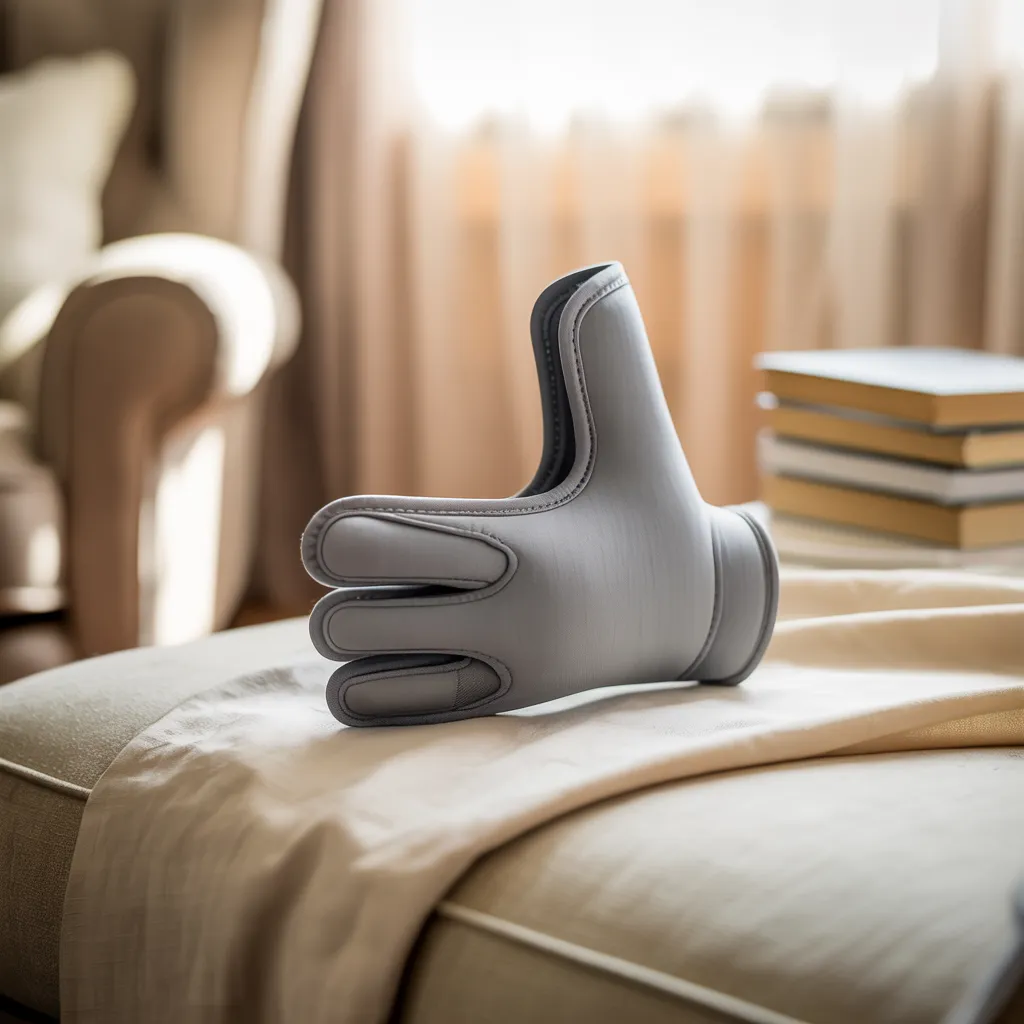
Critical Braces for Thumb-Related Injuries
Vital splints serve a crucial function in the rehabilitation process for thumb-related injuries, offering stability and reinforcement. Such devices stabilize the thumb, minimizing further damage and allowing for ideal healing. Several splint options exist, including rigid and soft options, all tailored to suit individual injury demands. Rigid splints offer maximum support, ideal for breaks or serious sprains, while soft splints provide flexibility and comfort for mild injuries.
Appropriate fitting is vital; an ill-fitting splint can hinder recovery or cause additional discomfort. It is commonly recommended that patients wear splints during tasks that could stress the thumb, ensuring protection during daily tasks. Additionally, some splints incorporate breathable materials, enhancing wearability over extended periods. In summary, quality splints serve as invaluable aids in the recovery from thumb injuries, helping patients regain function and return to normal activities more swiftly.
Selecting Medical Tapes That Suit Your Needs
Selecting the appropriate medical adhesive tape is crucial for effective thumb injury treatment. Various types of medical tapes, each with unique properties, can considerably impact healing. Learning application techniques and tips will enhance the effectiveness of these materials.
Kinds Of Medical Tapes
Medical tapes play an essential role in the care and management of thumb injuries, delivering support and stability to the impacted area. Various types of medical tapes are available, each serving specific purposes. Adhesive tape is commonly used for holding dressings in place and restricting thumb movement. Kinesiology tape, celebrated for its stretchability, offers dynamic support, promoting mobility while reducing pain. Cohesive bandages adhere to themselves but not to the skin, making them ideal for wrapping without causing irritation. Rigid strapping tape delivers optimal support for serious injuries, limiting excessive motion. Every type possesses distinct characteristics, allowing individuals to choose the most suitable option based on their specific needs and recovery goals. Selecting the right tape is vital for effective healing.
Application Methods And Tips
Choosing the correct medical tape is only half the battle; appropriate application techniques heavily affect the efficacy of support for thumb injuries. Initially, make certain the skin is thoroughly cleansed and dried to improve adhesion. When securing tape, commence from the bottom of the thumb and wrap towards the tip, providing flexibility at the joints. Do not wrap too firmly to prevent circulation issues. Additionally, think about slightly overlapping each layer for enhanced support and stability. For extra comfort, use a hypoallergenic tape to reduce skin irritation. To conclude, routinely monitor the wrapping; take off and replace if the tape loosens or if any pain arises. Applying these practices promotes optimal healing and support for thumb injuries.
Therapeutic Tools for Effective Thumb Recovery
Successful thumb rehabilitation frequently depends on utilizing specialized tools intended to promote healing and strength. Splints deliver vital stabilization, allowing for proper alignment during recovery, while strengthening exercise tools facilitate muscle rehabilitation. Together, these resources play a vital role in restoring thumb function and mobility.
Stabilizing Splints
When the thumb sustains an injury, utilizing splints for stabilization becomes vital for supporting a healthy recovery. Splints serve to immobilize the injured thumb, reducing the risk of further strain and enabling the healing process to begin. They are constructed to maintain the thumb in a correct position, minimizing discomfort and assisting in controlling inflammation. A wide range of splints can be found, among them thermoplastic and soft fabric designs, each addressing particular injury types and comfort requirements. By ensuring proper stabilization, splints act to shield the affected area during routine activities. Additionally, they offer convenient adjustment or removal for cleanliness, rendering them suitable for continued use. In summary, splints play an essential role in the rehabilitation process following a thumb injury.
Exercise Strengthening Equipment
Strength-building exercise tools are essential for facilitating successful thumb rehabilitation following an injury. These tools aid in rebuilding strength, enhancing mobility, and restoring function. Popular choices include resistance bands, which deliver variable tension for progressive rehabilitation, along with grip strengtheners designed to target both the intrinsic and extrinsic thumb muscles. Furthermore, therapy putty is suitable for numerous exercises, encouraging flexibility and coordination. Thumb-specific exercise devices, such as thumb trainers, are also beneficial for isolating movements and improving dexterity. Integrating these tools into a recovery routine not only speeds up healing but also aids in preventing future injuries by keeping the thumb strong and resilient. Overall, consistent use of strengthening exercise tools is vital for a successful recovery journey.
Essential Pain Relief Approaches for Thumb Injuries
Even though thumb injuries may range in their seriousness, implementing effective pain relief strategies is essential for recovery. To begin, using ice packs can aid in minimizing swelling and dulling pain, optimally for 15-20 minutes a few times throughout the day. Readily available non-copyrightal anti-inflammatory drugs (NSAIDs), like ibuprofen or naproxen, can further deliver notable relief by combating both pain and inflammation.
Additionally, immobilizing the thumb with a splint or brace can prevent further injury and promote healing. Elevating the hand above heart level may help reduce swelling. For long-term pain, warmth-based therapy, using warm compresses or heating pads, can increase blood flow and ease stiffness.
Finally gentle movement exercises, after acute pain subsides, can aid recovery while ensuring strength and flexibility are restored to the thumb. These strategies collectively form an effective approach to managing pain and facilitating healing for thumb injuries.
At What Point Should You Seek Professional Help for Thumb Injuries?
How can someone recognize the appropriate time to get professional assistance for a thumb-related injury? Knowing when to see a medical professional is essential for proper recovery. Immediate attention is warranted if there is severe pain, an obvious deformity, or difficulty moving the thumb. Additionally, continued swelling or bruising after a short period may suggest a more significant problem, such as a bone fracture or torn ligament.
If symptoms include numbness or tingling, these could signal an underlying nerve condition, necessitating immediate assessment. Individuals should also seek help should home care approaches, including rest and cold therapy, do not relieve the discomfort.
In the end, a qualified physician can deliver a thorough assessment and appropriate interventions, including splinting or imaging studies, to ensure adequate recovery. Early medical consultation can greatly impact the recovery process and prevent chronic issues associated with thumb-related injuries.
Strategies for Avoiding Future Thumb Injuries
After addressing the need for expert assistance with injuries to the thumb, it proves crucial to focus on strategies for prevention. People can significantly lower their chances of recurring injuries by adopting a few essential habits. First, correct ergonomic practices during daily activities, such as typing or using tools, can decrease stress on the thumb. Using thumb braces or supportive devices during risk-prone activities offers additional protection.
In addition, performing regular hand and thumb exercises enhances strength and flexibility, reducing susceptibility to damage. It is recommended to rest between repetitive tasks, giving the thumb time to recover and regain strength.
Finally persons ought to be aware of their surroundings to avoid mishaps that may result in thumb harm. By embracing these strategies, individuals can successfully protect against potential thumb harm and maintain top hand condition.
Popular Questions We Receive
How Much Time Does It Take for a Thumb Injury to Recover?
The recuperation period for a thumb find the information injury generally spans from a couple of weeks to multiple months, depending on the type and severity of the injury. Adequate care and recovery efforts can greatly influence how quickly and effectively recovery progresses.
Can I Continue Exercising With a Thumb Injury?
Working out with a thumb injury is typically achievable, subject to the extent of the injury. Adjusted exercise routines that avoid strain on the thumb can support your overall fitness levels, but speaking with a healthcare provider for personalized guidance is strongly advised.
What Are the Symptoms of a Serious Thumb Injury?
Indicators of a severe thumb injury consist of intense pain, inflammation, bruising, loss of thumb mobility, deformity, and lasting numbness. Should these symptoms arise, it is crucial to seek medical care for accurate assessment and treatment.
Are There Home Remedies Available for Thumb Pain?
At-home solutions for thumb pain consist of placing ice on the affected area to minimize swelling, keeping the thumb elevated to alleviate discomfort, and practicing gentle stretching exercises. Additionally, ginger or turmeric tea can be beneficial thanks to their anti-inflammatory qualities.
How Can I Rebuild Thumb Strength Post-Recovery?
To build up thumb strength following recovery, individuals can participate in strengthening exercises, use therapy putty, complete finger stretching exercises, and gradually increase grip activities. Consistency and patience are essential for ideal recovery and strength enhancement.